Wikileaks, founded at 2006 in Iceland by Julian Assange, is an international independent non-profit online media organization, which publishes classified documents and censored material. The platform began operating on an open-source basis, as an alternative to mainstream media and throughout the years, developed a publishing model. It is important to note that there is a strict policy concerning the anonymity and protection of the sources. WikiLeaks has been characterized as an open source intelligence agency and was even compared to CIA in a sense that just like these types of organizations gather sensitive information for the governments, WikiLeaks does the same, but offers the information to the public.
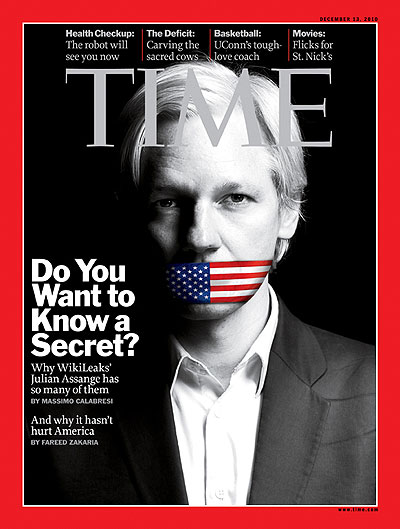
Julian Assange, Founder of WikiLeaks
Advocates of the platform support the idea of centralized control of data as it promotes freedom of speech, transparency and power equality. However, there are also criticisms about how the documents are acquired and whether they have been cross-referenced.
In order to understand the WikiLeaks global phenomenon, we need to consider its point of origin, cultural artefacts and how the platform has developed over the years. Originally, WikiLeaks was an open source platform where any individual was allowed to publish or edit content. Users could give away information that would be automatically published, following a collaborative editing model of content and overall structure, based on the open source Wikipedia model.
Later, the platform cooperated with mainstream news organizations (New York Times, El Pais, The Guardian, Le Monde and Der Spiegel). Each of the organizations was responsible for hosting and editing some of the documents in various forms. In addition, WikiLeaks staff and journalist volunteers were reviewing and editing all submitted documents. The curation of material and the collaboration of the platform with mainstream media, raised the question whether WikiLeaks should be designated as an independent journalistic organization. On the other hand, who can define the independent factors influencing the political economy of journalism?
Such anti-system phenomena need to be examined concerning their impact on media and journalism and how they challenge the fundamental relationships between citizens and the state, citizens and the media systems, and media outlets and governments. Furthermore, they should be studied within cultural context and artifacts which indicate the sociocultural relevance of the organization. Nonetheless, it all comes down to the central ethical dilemma: Is it unethical to publish hidden information or is it unethical to hid it in the first place?
References:
Dobson, K., & Hunsinger, J. (2016). The political economy of WikiLeaks: Transparency and accountability through digital and alternative media. Interactions: Studies in Communication & Culture, 7(2), 217–233. https://doi-org.acg.idm.oclc.org/10.1386/iscc.7.2.217_1
Christensen, C. (2014). A decade of WikiLeaks: So what? International Journal of Media & Cultural Politics, 10(3), 273–284. https://doi-org.acg.idm.oclc.org/10.1386/macp.10.3.273_1
Zittrain, J., & Sauter,M. (2010). Everything You Need to Know About Wikileaks: Two experts lay out the facts surrounding the controversy. Intelligent Machines: MIT Technology Review. https://www.technologyreview.com/s/421949/everything-you-need-to-know-about-wikileaks/

 Invisible Environments