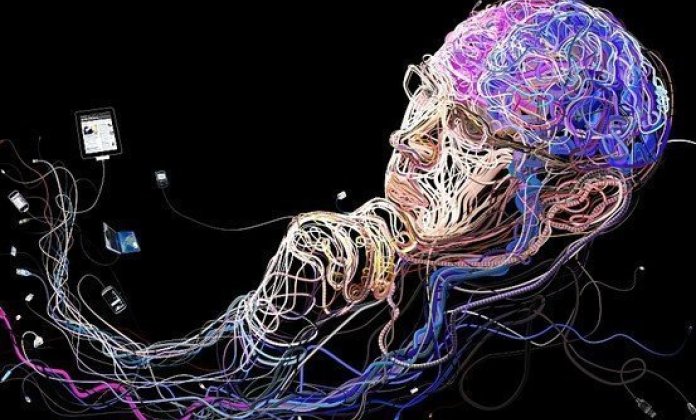
Along with the technological advancement and the utilization of internet capabilities, it comes naturally to stop relying on our memory in order to retrieve facts and information. After all, we always have our extension of our brain with us, right? Simple tasks like remembering a phone number or correcting our grammatical errors, have been outsourced to the internet.
According to academic research, our reliance on the internet is actually altering the way our brain receives, analyzes and stores information. In a related study, a group of people was separated in two teams and were presented with a set of questions. The first team had to rely on its memories alone while the second was allowed to use the internet. Then, the teams were asked simpler questions and both of them were allowed to use the internet. The second team who used the internet the first time, were more likely to use it again without even trying to answer on their own. Researchers define this phenomenon as “cognitive offloading”. Also, by nature we tend to be cognitive misers and refuse to engage in cognitive activities. The internet has made it easier than ever to find answers online so we deliberately avoid more complex activities such as recalling.
Another area of focus is our ability to concentrate and hold our attention on a specific topic. Information is available everywhere, anytime and we are used in multitasking and coping with information overload. We have adapted to continually scanning our environment for new information and stimulus, while engaging in activities which we interrupt when something else grabs our attention. Biobehavioral sciences have further explored the issue and called it cognitive philandering. They also stated that it will become more intense as our environmental stimulus competing to grab our attention, are constantly increasing in number. “When we go online, we enter an environment that promotes cursory reading, hurried and distracted thinking, and superficial learning”
In addition, Nicholas Carr has published a very controversial article back in 2008 called “Is Google making us stupid?”, presenting the negative consequences of technology dependence and how our knowledge is compromised due to our lack of ability to store information on our long-term memory.
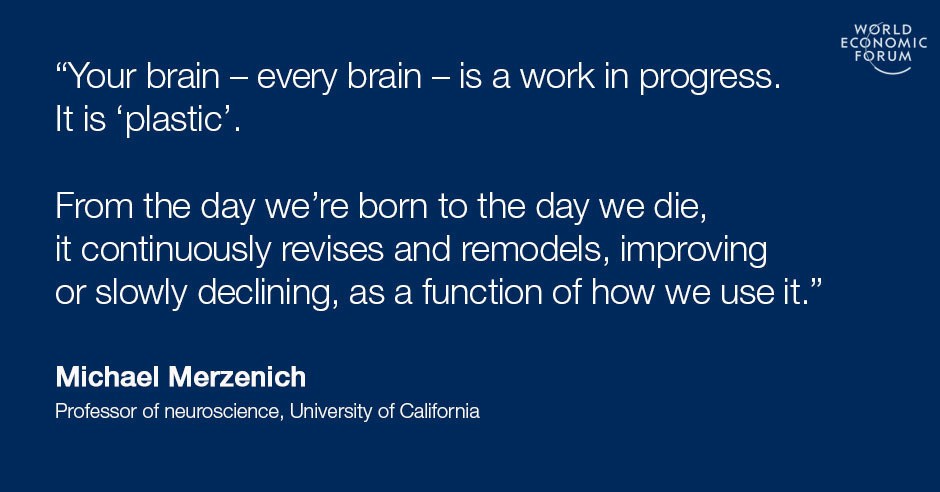
It is scientifically proven that our brain is actually designed to change over time. Given the fact that the internet has changed the way our memory operates, is this change for the better or not?
References:
Carr, N. (2010). Is Google Making Us Stupid? What the Internet is doing to our brains. Retrieved from https://www.theatlantic.com/magazine/archive/2008/07/is-google-making-us-stupid/306868/
Cookson, J. (n.d.). How Modern Life Affects the Brain. Retrieved 2010, from https://bigthink.com/going-mental/how-modern-life-affects-the-brain?utm_campaign=Echobox&utm_medium=Social&utm_source=Facebook#link_time=1481646747
Thomson, S. (2016). Scientists say Google is changing our brains. Retrieved from https://medium.com/world-economic-forum/scientists-say-google-is-changing-our-brains-25356c08b3e3?ct=t(RSS_EMAIL_CAMPAIGN)&mc_cid=910fd97542&mc_eid=ac4503e81f

 Invisible Environments